A List of Essential FBA Prep Services and How They Work
If you’re selling on Amazon, FBA prep is mission-critical. Every unit needs to meet Amazon’s strict packaging, labeling, and compliance guidelines before it reaches an Amazon Fulfillment Center (FC). One slip-up? Your inventory gets rejected or delayed.
Worse: Amazon has phased out its own prep services since the start of 2026. That means thousands of sellers scrambling for external partners to handle everything from FNSKU labeling to polybagging, bundling, and more.
What Is Amazon FBA Prep? (And Why You Shouldn’t DIY)
Amazon FBA prep includes all of the steps needed to prepare your products for inbound shipment to Amazon’s FCs. That means:
- FNSKU labeling
- Polybagging or shrink-wrapping
- Bubble wrapping fragile items
- Bundling or kitting multi-packs
- Attaching suffocation warnings
- Applying expiration dates
- Custom prep for oversized or temperature-sensitive goods
- Creating and managing FBA shipping plans
You can technically do this yourself. But once you scale beyond 20+ SKUs or 1,000+ units/month, DIY prep becomes a massive bottleneck and opens you up to compliance failures.
Key Amazon FBA Prep Services
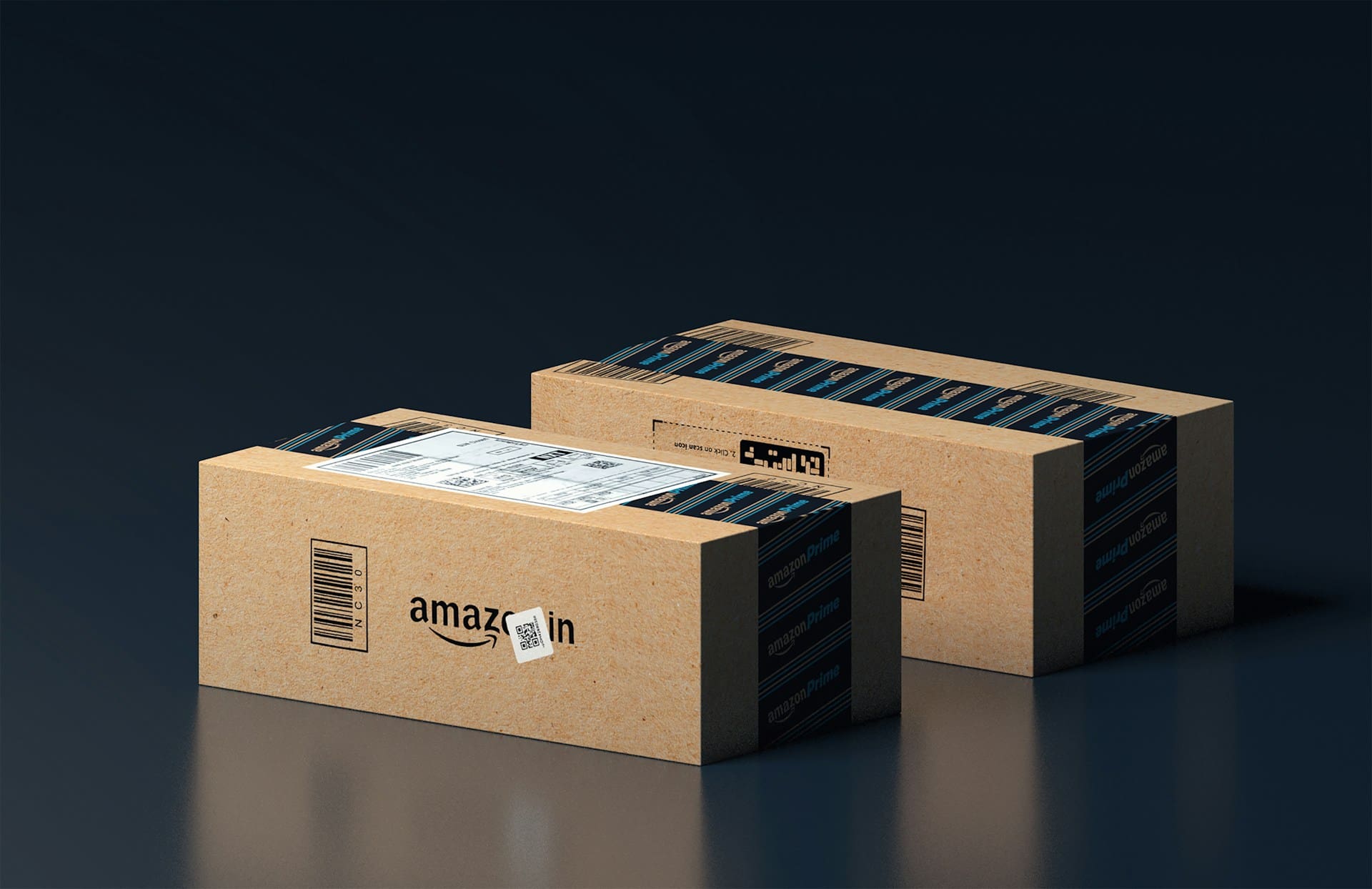
Amazon FBA is meant to simplify fulfillment, but preparing a shipment for FBA is anything but. You must meet a number of strict FBA prep requirements to avoid check-in delays, unexpected charges, or rejected inventory.
To give you a sense of what the process entails, here’s a list of several common FBA prep services to be aware of.
1) Receiving and inspection
You need to make sure your items aren’t damaged when they arrive at an FBA warehouse, or missing completely. Beyond losing money, you risk losing customers to inferior quality or missing inventory.
So, prior to dispatching your inventory to Amazon, take the time to inspect your items carefully and check that the number of units in your shipments aligns with the total that FBA expects to receive and post online.
2) Dunnage and wrapping
When it comes to packing your items, consider which dunnage (bubble wrap, packing paper, air bags, etc.) is best for your product.
According to FBA’s guidelines, your packages must pass a three-foot drop test (detailed here) consisting of a drop on each side and one drop on a corner. Some product categories, like batteries, may undergo an even higher drop test.
Should your item show signs of breaking, you should consider over-boxing them and/or reboxing items in custom packaging.
3) Polybagging
Polybags are popular alternatives to boxes, as they’re lightweight and take up far less storage space. They’re a great way to shave down shipping costs, provided your item doesn’t require extra protection.
However, like with everything else, Amazon FBA has specific criteria for polybags. All polybags must be at least 1.5 mil thick, have an opening of at least five inches, and not exceed three inches past the dimensions of the product. They must be transparent and barcoded for most product types, plus include a suffocation warning of a certain size.
Note: 1 mil = 0.001 inch
4) Stickering
This step includes adding suffocation warnings, expiration dates, or other essential stickers to your packages. You may additionally need to remove retail stickers, like price tags, to avoid confusion or an unprofessional look.
Although a small detail, this step is essential for earning FBA’s seal of approval and ensuring a good customer experience. The last thing you want is your inventory to get held up at the door because it lacks the right labels.
5) FNSKU labeling
Speaking of labels, Amazon requires FBA sellers to attach FNSKUs to their packages. FNSKU is short for “Fulfillment Network Stock Keeping Unit.” It’s a code generated by Amazon that allows the company to trace shipments and orders back to you.
FNSKUs are not to be confused with UPCs, which are specific to the manufacturer and can be shared by multiple sellers. FNSKUs are unique to you, the merchant, and protect you from commingled inventory (in other words, your items won’t get mixed with inventory provided by other sellers — which has, in the past, caused sellers to become linked to fake or damaged goods).
FNSKUs must be properly affixed onto your packages to cover all other UPCs and labels. While you can do this yourself, you can also pay Amazon to do it for you, or hire a 3PL.
6) Kitting and bundling
Offering your products as multipacks or bundles is a great strategy for leapfrogging competition on Amazon. You can list your products to separate, non-competitive ASINs and incentivize consumers to buy more units at once.
However, kitting and bundling isn’t accessible to everyone. It requires extra inventory, coordination, and work — not the least of which being Amazon’s bundling policies and requirements for pre-packaging your units together.
When prepping your kits for FBA, you need to package them so that individual barcodes don’t face outward, and only the barcode for the pack shows. All kits must include “sold as set” or “do not separate” labels to further avoid confusion when they arrive at FBA warehouses.
7) Variety packs
Similar to kits and bundles, variety packs let you sell multiple products at once. But while bundles include two complementary items, variety packs include multiple flavors or new items for customers to try.
These, too, must be pre-packaged and clearly labeled. When selling food-related variety packs, you have to observe other food-specific requirements, including guidelines for how many items are sold together and how to determine which expiration date to show.
8) Custom packaging
It’s no secret that Amazon doesn’t want you to use paper or boxes to promote outside channels, including your own website. But there is some wiggle room when it comes to product inserts. With these, you can safely say thank you, deliver important warranty information, or ask for product reviews (neutrally).
These efforts reinforce your branding and help customers remember your brand name, not just Amazon’s. When prepping your items for FBA, include product inserts in your packages, because Amazon certainly won’t do it (not without a fee, at least).
Use An FBA Prep Partner for Scaling Brands
MyFBAPrep is Amazon’s recommended prep solution, with:
- 100+ warehouses globally
- 2–3 day turnaround times
- Dedicated account management
- Amazon expertise baked into every SOP
- Real-time tracking inside Preptopia®, our proprietary warehouse software
- A full suite of services. Cold chain? Fragile items? Oversize? No problem.
Inside the MyFBAPrep FBA Prep Process
Here’s what happens when you send inventory to us:
- Inbound Coordination: We manage carrier scheduling, ASN, and delivery to one of our strategically located warehouses.
- Inspection & Quality Control: Each carton is opened, contents are checked, and units are counted against your PO.
- FBA-Ready Prep & Labeling: FNSKU labels are applied. Units are polybagged, shrink-wrapped, or bubble wrapped as needed. Expiration and warning labels are added.
- Bundling / Kitting (if required): Multi-packs, kits, and gift bundles are assembled and sealed.
- Shipment Creation + Routing: Our system generates FBA shipments, splits inventory as needed, and handles freight coordination to the final FC.
- Real-Time Reporting: Track every unit from receiving to shipment in Preptopia®.
Explore our full list of Amazon FBA Prep Services
How Much Does FBA Prep Cost?
FBA prep pricing is generally based on volume and complexity. At MyFBAPrep, we price based on:
- Per-unit fees (labeling, polybagging, bubble wrap)
- Per-bundle or kit (if applicable)
- Pallet receiving & storage
- Optional add-ons: photos, inspections, B2B prep
Our pricing beats most competitors AND Amazon’s old in-house rates, with faster turnarounds.
Wrapping up — Tap a pro to handle your FBA prep services
You have a lot to keep in mind when preparing your inventory for FBA; the above is just the tip of the iceberg. If you’re looking to work as quickly and efficiently as possible, your best bet is to hire a team like MyFBAPrep. Not only will you avoid wasting your energy, but you’ll also gain the support of professionals who are very familiar with Amazon’s standards.
MyFBAPrep is already trusted by 1,000+ brands. We’re built for FBA scale and compliance. Reach out today to get started.
Published: October 19, 2021
Updated: February 24, 2026