How Enterprise Brands Are Cutting Logistical Costs Through Strategic 3PL Partnerships
Managing logistics as an enterprise brand is a tall order. You have to juggle massive supply chains, coordinate across multiple distribution networks, cater to different markets, and keep up with consumer demands that seem to change by the minute.
On top of that, rising transportation costs and ongoing labor shortages only add to the complications. It’s no wonder many enterprise brands constantly look for smarter, more innovative logistics solutions — like 3PL partnerships. In fact, 95% of shippers say their decision to hire a 3PL has produced successful results.
We’ll discuss how enterprise brands use these partnerships to overcome their biggest logistics challenges and cut costs.
What is a 3PL partnership?
3PL (“third-party logistics”) entails outsourcing your fulfillment operations to experts who handle all the heavy lifting for you. From warehousing and inventory management to order fulfillment and shipping, a 3PL takes care of these processes so you can focus on what matters — growing your business.
Enterprise brands turn to 3PL partnerships to streamline their operations and save costs. A 3PL’s specialized expertise, cutting-edge technology, and established networks help businesses avoid the overhead costs of managing these elements in-house.
How does a 3PL partnership work for enterprise brands?
Over 85% of Fortune 500 companies rely on 3PLs thanks to a multitude of advantages. Whether it’s streamlining supply chains, optimizing distribution, or managing inventory, these partnerships help businesses stay competitive and efficient in today’s fast-paced world. But to make the most of a 3PL, you need to lay a solid foundation for your partnership and take steps throughout the duration of the relationship.
Lay out your needs
The cornerstone of a successful 3PL partnership is a clear understanding of what your business requires. Pinpointing your logistical challenges and setting specific goals avoids wasted time, energy, and resources. Additionally, identifying your needs up front hones in on inefficiencies and clarifies the services you need from a 3PL to bridge those gaps.
To get started, ask yourself:
- What are your biggest logistics pain points? Are delivery delays costing you customers? Does inventory management eat up too much time?
- What are you trying to achieve? Do you want to cut costs, speed up delivery times, expand into new markets — or all of these simultaneously?
- What kind of help do you need? Do you need warehousing, freight management, order fulfillment, or a combination of services?
Choose the right 3PL
A poor fit can lead to wasted resources and missed opportunities. So, create a selection criteria to identify a 3PL partner that aligns with your logistical needs and your company’s values and goals.
Characteristics you should look for include:
- Experience: Do they specialize in your industry or the specific services you need?
- Technology: Can they integrate seamlessly with your systems? Do they offer tools like real-time tracking and analytics?
- Scalability: Can they handle your growth, seasonal demand spikes, or new market expansions?
- Reputation: Look into reviews, case studies, and references to confirm they deliver results.
- Pricing: Are their costs competitive? More importantly, will you see a return on your investment?
Align your systems and workflows
Once you’ve chosen a 3PL, the next step is integration. This is when everything comes together — your systems, workflows, and operations. A smooth integration minimizes disruptions, reduces errors, and fast-tracks results.
So, ask yourself these questions as you evaluate each candidate:
- Does the 3PL work with your enterprise resource planning (ERP), warehouse management system (WMS), or order management system (OMS)?
- Will they offer hands-on assistance to make the onboarding process easier?
- Have you clearly defined the roles, responsibilities, and timelines within the partnership?
Collaborate with your 3PL
Your 3PL partnership is an ongoing relationship that requires transparent collaboration. Keep communication open and monitor their performance to help you address issues early, turn challenges into opportunities, and continuously improve operations. Staying engaged also builds trust and accountability, which can prove lifesaving when unexpected surprises arise.
To foster a healthy relationship, be sure to:
- Schedule regular check-ins to evaluate performance, metrics, and any adjustments needed.
- Track progress and monitor key performance indicators (KPIs) such as on-time delivery rate, order accuracy, and cost savings.
- Ensure the 3PL can adapt to changes, whether that’s scaling up operations or responding to new market demands.
Evaluate and optimize continuously
Your logistical needs will evolve over time, so it’s essential to evaluate your 3PL partnership regularly. Doing so helps you identify areas for improvement and ensures your provider is equipped to handle any complexities or unexpected challenges.
Keep these factors in mind:
- Scalability: Can the 3PL grow with you and handle sudden demand spikes?
- Compliance: Are they up to date on industry regulations and international shipping rules?
- Location: Are their distribution centers strategically positioned to serve your most important markets?
Common challenges with logistical costs
Managing large-scale operations inevitably gives rise to certain obstacles. Below are some of the most common logistical challenges that hit enterprise brands where it hurts — their finances.
High storage and warehousing costs
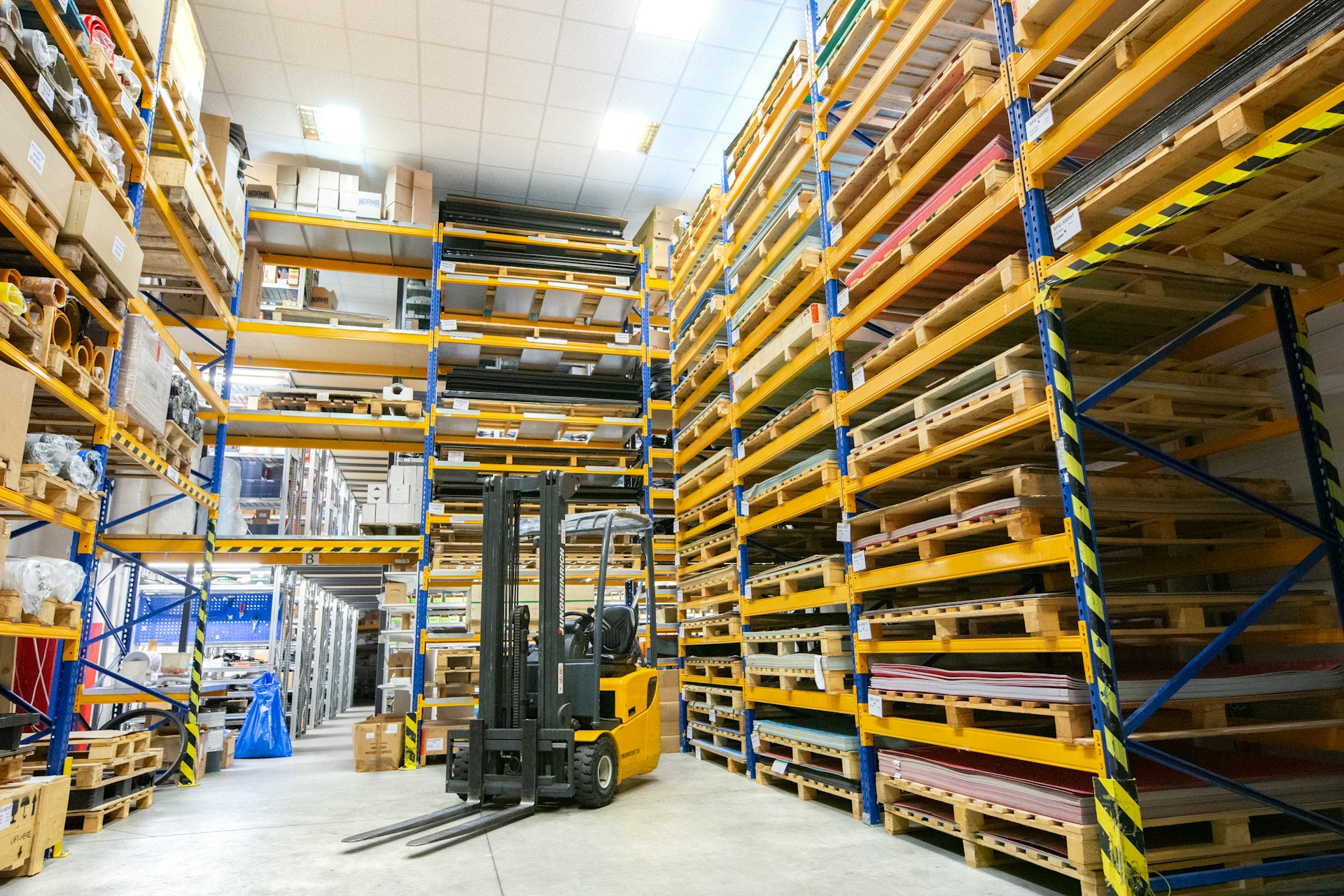
Storing goods isn’t cheap, and those costs can add up quickly for enterprise brands. Every square foot comes with a price tag, from renting large warehouses to maintaining utilities, security, and labor. Further, if your inventory doesn’t move as fast as it should, you’ll wrack up even more holding expenses.
A study by NTT Data revealed more businesses are outsourcing their warehousing — 65% in 2024 compared to 43% in 2023. The most pertinent reason for this is due to storage space becoming more expensive to rent: Warehousing costs increased from $7.96 per square foot in 2022 to $8.22 and $8.31 in 2023 and 2024, respectively. Factors like inflation and increased demand fuel this trend, making outsourcing a more cost-effective solution for many businesses.
Slow or inaccurate order fulfillment
A delayed or incorrect order is costly for you and directly impacts your customers, diminishing their experience with you. Fulfillment is a highly influential purchasing factor, with around 68% of shoppers saying the availability of shorter delivery windows at checkout affects their decision to buy.
Meanwhile, if their orders are wrong, it not only disappoints your customers but also weakens their trust and loyalty. Over time, these little mistakes can pile up and eat into your profits.
Disorganized inventory management
Enterprise brands have to manage a significant volume of inventory, which is why proper inventory management is so important. Since levels go far beyond what a few hands can handle, it’s imperative to maintain strict control.
Without proper organization, the risks of overstocking or understocking increase, and both can hurt profit margins. Overstocking results in higher storage costs, as items sit on shelves longer and occupy space. Meanwhile, understocking leads to:
- Missed sales opportunities
- Frustrated customers
- A drop in revenue
Rising shipping expenses
The sheer number of orders enterprise brands have to ship raises the price tag to handle each individually. As a result, your shipping process can quickly become a huge expense. Although enterprise brands aim to manage costs and make their logistical operations more profitable, with rising fuel prices, higher carrier fees, and additional surcharges, keeping those expenses in check is difficult.
Costs from customer returns and exchanges
Returns and exchanges are inevitable in selling, but they cut into your earnings. Specifically, each year, U.S. retailers attribute over $400 billion in lost sales to returns alone. To cope with this, some merchants have begun to offer returnless refunds, where customers receive their money back without returning the item. While that can salvage your relationship with the buyer, your margins still suffer.
Processing returns also entails more than restocking fees. You must also account for labor costs for repacking and, sometimes, inventory loss if you can’t resell the returned product. These extra expenses further hurt your bottom line.
Fluctuating demand during peak times
Holidays, big sale events like Black Friday, and highly anticipated product launches all create a sudden spike in demand, which inevitably drives up logistical costs. For businesses handling their own logistics, that means hiring extra staff, renting more storage space, and speeding up delivery times, only to have to scale back once the demand drops.
How 3PL partnerships streamline enterprise logistics
A strong 3PL partnership can help you tackle the challenges outlined above thanks to the following benefits.
Simplified warehousing and inventory management
As an enterprise brand, one of the biggest headaches you’ll face is overseeing large volumes of inventory. You have to flesh out details like:
- Where you’ll store it
- How you’ll keep track of it
- When you’ll ship it out
- How you’ll know when it’s time to restock — or when you’re overstocking
It’s a lot to juggle, and enterprise brands already have so much on their plate. That’s when a skilled 3PL becomes helpful. Although you don’t step away from the process entirely, it certainly takes a load off your shoulders.
3PLs can simplify your warehousing and inventory management by leveraging their established networks and processes. With strategically placed fulfillment centers and robust technology to track stock, they can reduce logistical costs and open more room for you to grow your business.
Improved order fulfillment
As previously mentioned, an efficient 3PL knows the ins and outs of fulfillment, allowing you to pay attention to more pressing business concerns while they deal with the back-end procedures. That translates to faster, more accurate order processing, which reduces your logistical expenses and boosts your reputation with stakeholders.
Buyer opinion is important, because happy customers stick around. According to Salesforce, 91% of customers are more likely to make repeat purchases after a positive experience with a company. So, partnering with a reliable 3PL not only streamlines operations but also builds much-needed trust and loyalty with your audience.
Lower shipping costs
Thanks to 3PL partnerships, 80% of shippers report a reduction in overall logistical expenses. Providers achieve this by optimizing routes and consolidating shipments. They leverage their network of carriers and advanced technology to find the most cost-effective and efficient ways to deliver your products to buyers, no matter where they’re located.
More efficient returns and exchanges
How you handle returns can save you a lot of time and money. To put it in perspective, the retail industry alone could save up to $125 billion a year by lowering their return rate.
With the help of a 3PL, you can simplify the entire process, from return authorization to restocking and repackaging. That, then, enables you to focus more on keeping your loyal customers happy instead of getting bogged down in returns logistics. Additionally, the greater efficiency will save on costs.
Quick scaling to handle seasonal demand spikes
Another key benefit of contracting with 3PL is the scalability and flexibility they offer for seasonal demand. Whether you need to scale up or down, a reliable 3PL can quickly adapt to your needs without hassle. They’re able to provide the resources necessary to manage demand spikes, no matter how high, to ensure your operations run smoothly during peak seasons.
Wrapping up — Let MyFBAPrep optimize your enterprise logistics
Logistics for enterprise brands can be challenging and expensive on your own. However, you can eliminate a great deal of that complexity with a reliable 3PL.
MyFBAPrep has helped many large businesses overcome the challenges discussed in this article (as well as others). With our expertise, we can transform your logistical operations into an efficient and profitable machine that can easily scale.
Curious to know how you can optimize your logistics strategy and secure major cost savings? Let’s chat — our team is here to help!