Issue 145: What going global means in 2026 for eCommerce sellers
Hello, MyFBAPrep Sellers!
What are your big-picture plans for 2026? We’d love to hear what you’re mulling over — just hit reply to access your MyFBAPrep sounding board.
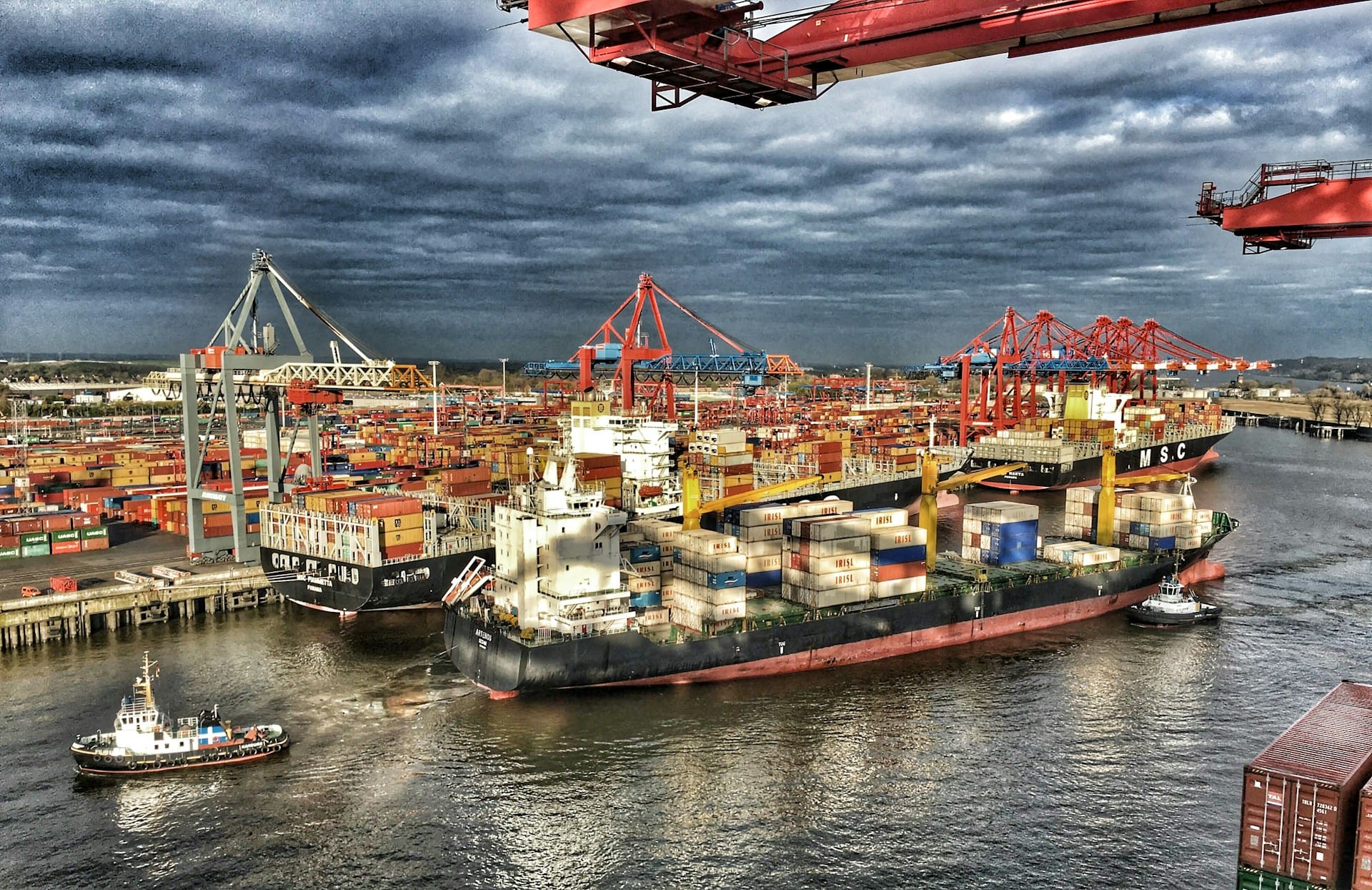
Going Global: How to Expand into International Markets and Manage Cross-Border Fulfillment
Nothing says eCommerce growth quite like going global. Focusing on your local market can still lead to success, but expanding into other countries means there’s real demand for what you offer, and people from different parts of the world are taking notice.
It’s a big move that can come with its fair share of challenges. But with the right tools, systems, platforms, and partners in place, going global doesn’t have to be overwhelming. It can be a smooth and strategic step toward even greater things.
In this blog, we’ll walk you through why global expansion might be your next best move and the steps you’ll need to take to do it right.
Read more ➔
Customs Brokerage vs. Freight Forwarder: What’s the Difference and When to Use Each
If you’re importing products for Amazon FBA or DTC fulfillment, you’ll encounter two key logistics partners: freight forwarders and customs brokers. While they both play essential roles in getting your goods across borders, their functions are distinctly different. Confusing the two—or working without one—can lead to customs delays, compliance issues, and unexpected costs. In this guide, we’ll break down what each party does, when you need them, and how they work together to keep your supply chain running smoothly.
Read more ➔
ESG Compliance in Supply Chain: How 3PLs Are Helping Brands Meet Sustainability Goals
Today, sustainability is less a trend and more a necessity. Customers, investors, and employees expect brands to operate responsibly and minimize their environmental impact. From reducing carbon footprint to adopting greener practices, sustainability has become a core part of how companies thrive in the modern world.
But integrating these initiatives into every aspect of a business isn’t easy. How do you reduce emissions while meeting tight delivery deadlines? How can you adopt eco-friendly materials without driving up costs? This is where third-party logistics providers (3PLs) can lend a hand. These services possess expertise in fulfillment solutions and can optimize efficiency while supporting your brand’s sustainability goals.
We’ll reveal how 3PLs help brands tackle these challenges so you can meet your sustainability objectives while staying competitive in your market.
Read more ➔
Partner Spotlight 📣 What Breaks First When Ops Change (And It’s Not What You Think)
When Amazon changes operations, ads are usually the first thing to drift out of sync.
During transitions like the upcoming FBA prep change, sellers focus (rightly) on logistics, labeling, and compliance.
What often gets missed is that ads don’t adapt on their own. Campaigns can keep spending even when:
* ASINs go out of stock
* Listings become suppressed
* Conversion rates quietly drop due to prep delays
Tools like Autron help sellers automatically manage ads at the ASIN level, adjusting or pausing spend when inventory or listing conditions change, so performance stays aligned with reality.
As you review your prep and fulfillment setup for 2026, it’s also worth reviewing whether your ad system can adapt just as quickly.
See how sellers automate ad control at the ASIN level ➝
Until next time,
The MyFBAPrep Team