From Seeding Kits to Shopify Bundles: The Kitting Playbook for Pre-Launch CPG Brands
Most CPG brands think about fulfillment after they launch. The ones that win think about it before.
The pre-launch window — the 60 to 90 days before a brand goes live on Shopify, Amazon, or retail — is where kitting becomes a strategic weapon rather than a logistics task. Seeding kits go to coaches, influencers, and early community members. Sample packs go to retailers evaluating shelf space. Founding-member bundles create urgency and lock in first customers before a single ad dollar gets spent.
Then, once the brand is live, those same kitting capabilities pivot into Shopify bundle strategies — variety packs, value sets, and subscription boxes that drive AOV and reduce CAC.
This article breaks down how emerging CPG brands are using kitting at every stage, from pre-launch grassroots seeding to post-launch Shopify bundle optimization, and what it means for your fulfillment setup.
The Pre-Launch Phase: Seeding Kits as a Growth Strategy
Before a product hits the market, the smartest CPG founders are already building demand through physical product experiences. Seeding kits — curated packages sent to influencers, coaches, community leaders, and early supporters — have become the modern equivalent of sampling at a trade show, except they scale through social proof instead of foot traffic.
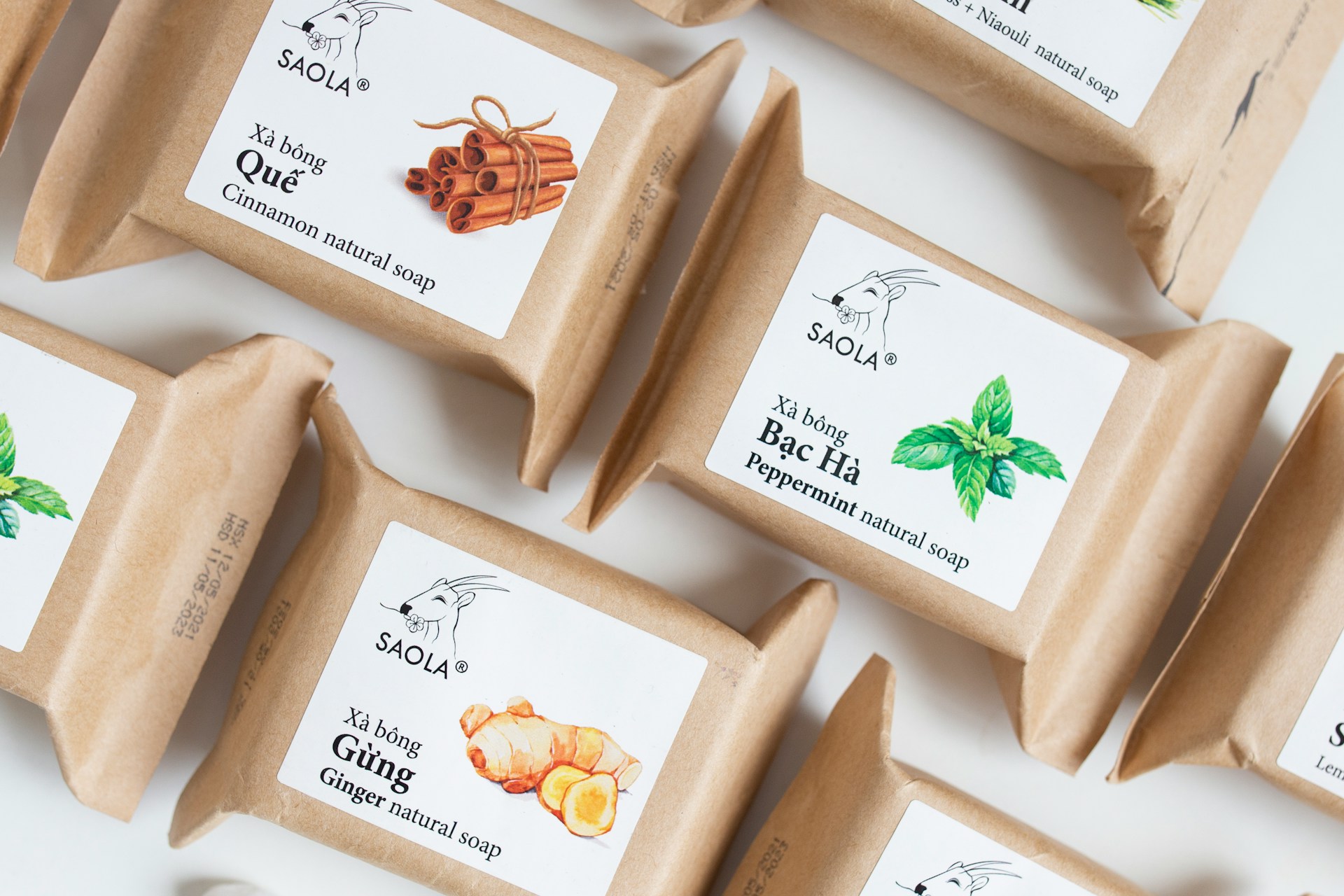
The challenge is that seeding kits are complex to fulfill. They’re not a single SKU in a poly mailer. A typical seeding kit might include a product sample (full-size or trial), a branded drawstring bag or custom box, a printed insert card with a personal note or discount code, loose-unit samples for the recipient to share with their network, and a branded credential or membership card. That’s five or more components kitted into a single shipment, often with handwritten elements or variable print, going out to 50 to 200 recipients in a tight window.
Brands that try to assemble these at their kitchen table hit a ceiling fast. The ones that build a kitting relationship with a 3PL early — even for small runs — get consistency, speed, and the ability to scale when a seeding campaign works and suddenly needs to go from 100 kits to 500.
Real-World Examples of Pre-Launch Seeding Done Right
The beauty and wellness space pioneered the influencer seeding kit, but the model has expanded into every CPG vertical.
In fitness supplements, brands are ditching the generic mass-market approach and building for specific communities. On Deck Life, a baseball electrolyte brand built for travel ball and tournament players, runs its founding seeding program through personal hand-deliveries and custom kitted packages to coaches and baseball influencers — each kit including product samples, branded inserts, and a coach-specific cover note. The kitting is intentionally high-touch because the target audience (travel baseball coaches) responds to personal credibility, not paid ads.
In food and beverage, Chamberlain Coffee built early traction by sending curated sample boxes to lifestyle creators months before broad retail availability. Each box was kitted with multiple SKUs, branded packaging, and a handwritten note — production-level kitting for a pre-revenue brand. Chomps, the grass-fed meat stick brand, used a similar approach — seeding kits to fitness influencers and CrossFit coaches before expanding into Whole Foods and Target.
In pet CPG, brands like Ollie have used trial kits with custom portioning as their primary acquisition channel, turning a complex kitting operation into a core business model rather than a one-time campaign. And Poppi, the prebiotic soda brand, used sample variety packs as a top-of-funnel acquisition tool at events and through influencer mailers before scaling into retail — letting customers try multiple flavors before committing to a full case.
The pattern across all of these: kitting isn’t an afterthought. It’s the launch strategy.
The Transition: From Seeding Kits to Shopify Bundles
Once a brand is live and taking orders, the kitting capability that powered seeding kits pivots directly into revenue-driving bundle strategies on Shopify.
Bundles are one of the most effective levers for DTC brands to increase average order value, reduce per-unit fulfillment cost, and move inventory strategically. But many early-stage brands treat bundles as a Shopify app configuration problem when it’s actually a fulfillment problem. If your 3PL can’t kit a three-SKU variety pack efficiently, no Shopify app will save you.
Three Shopify Bundle Strategies That Work for CPG
The Starter Kit. A curated introductory bundle priced below the sum of individual SKUs, designed to lower the trial barrier. This is the pre-launch seeding kit repackaged as a product. A supplement brand might offer a 7-day trial pack at a lower price point than the full 30-day supply. A hot sauce company kits three bestselling flavors into a sampler. The kitting is simple (fewer components than a seeding kit), but volume is higher, so fulfillment efficiency matters.
The Value Multi-Pack. Same SKU, larger quantity, lower per-unit price. This is the workhorse bundle for consumable CPG — electrolyte sticks, protein bars, coffee pods. On Shopify, you can list this as a separate product or use a bundle app with quantity breaks. From a fulfillment perspective, multi-packs are straightforward kitting: take three of the same unit, shrink-wrap or bag together, slap a bundle barcode, and ship. The margin improvement is significant because picking and packing one three-pack is cheaper than fulfilling three individual orders.
The Virtual Bundle (Amazon Crossover). For brands selling on both Shopify and Amazon, virtual bundles on Amazon (where you combine existing FBA ASINs into a bundle listing without physically re-kitting) are a powerful revenue lever. But the Shopify equivalent requires physical kitting — you can’t virtually bundle on Shopify the way you can on Amazon. Brands that sell a bundle on Shopify need that bundle physically assembled and ready to ship. This is where having a 3PL with kitting capabilities becomes a competitive advantage over brands that can only offer single-SKU fulfillment.
Why Your Fulfillment Setup Has to Support Both Phases
The pre-launch seeding phase and the post-launch Shopify bundle phase are operationally different, but they require the same core capability from your fulfillment partner: the ability to take multiple components and assemble them into a single shippable unit quickly, accurately, and affordably.
Brands that work with a 3PL offering kitting and assembly services from day one get several advantages over those that bolt it on later.
First, there’s consistency. The seeding kits that built your brand’s early credibility need to be the same quality as the bundles your paying customers receive. If your VIP seeding kit was beautifully assembled and your Shopify bundle arrives looking like it was packed in a rush, you’ve broken the brand promise at the worst possible moment — right when someone paid you money.
Second, there’s speed to market. When a seeding campaign hits (a coach posts your product and 200 parents want to buy), you need to pivot from seeding-kit mode to Shopify-order mode in days, not weeks. A 3PL that already knows your product, your kitting SOPs, and your packaging can make that pivot. One that’s seeing your product for the first time cannot.
The best pre-launch brands also pair their seeding kits with content that educates the recipient’s audience — turning one coach or influencer into a distribution channel for both product and information. On Deck Life does this with Dugout Intel, a content hub covering baseball hydration science and tournament prep that coaches can share directly with parents and players. The content makes the seeding kit stickier — it’s not just a free product, it’s a resource. That’s a model worth studying regardless of your vertical: pair the physical kit with digital content that gives the recipient a reason to share beyond just the product itself.
Third, there’s inventory intelligence. Kitting and bundling decisions should be informed by inventory data. If you have 300 units of Flavor A and 800 units of Flavor B, your next bundle should feature more of Flavor B. A 3PL with real-time inventory visibility can help you make these decisions dynamically rather than guessing.
The Cost Reality of Pre-Launch Kitting
Small-run kitting isn’t free, and brands need to budget for it. A typical seeding kit with five or more components, hand-packed, with custom inserts, runs in the range of $8 to $15 per kit in labor and materials, not including the product itself or shipping. For a 100-kit seeding run, that’s $800 to $1,500 in kitting costs — meaningful for a bootstrapped brand, but cheap compared to the customer acquisition cost of paid media.
The math improves dramatically once you transition to Shopify bundles at scale. A simple two- or three-SKU bundle kit at volume might cost $1 to $3 per unit in incremental kitting labor. At that point, the AOV increase from bundling (typically 25% to 40% higher than single-SKU orders) more than covers the kitting cost.
The key is finding a fulfillment partner that can handle both ends of the spectrum: the low-volume, high-complexity seeding kit and the high-volume, standardized Shopify bundle. Not every 3PL does both well. Large-scale fulfillment centers often won’t touch a 100-unit seeding run. Boutique co-packers often can’t scale to handle daily Shopify bundle orders. The 3PLs that bridge both worlds — flexible on minimums, experienced with CPG kitting, and integrated with Shopify — are the ones that help brands make a smooth transition from pre-launch to growth.
Takeaways for Emerging CPG Brands
If you’re in the pre-launch window or early post-launch phase, here’s the playbook.
Start kitting early. Don’t wait until you’re fulfilling Shopify orders to think about kitting. Your seeding program is your first kitting operation. Treat it like one — document SOPs, track components, and build the muscle memory you’ll need at scale.
Design bundles from day one. Even if you launch with a single SKU, plan your bundle strategy before launch. Know what your starter kit, variety pack, and value multi-pack will look like so your fulfillment partner can prepare.
Choose a 3PL that does both. Your seeding-kit 3PL and your Shopify-fulfillment 3PL should be the same partner. The transition from pre-launch to live is too fast and too important to onboard a new provider in the middle of it.
Track kitting economics separately. Don’t lump kitting costs into general COGS. Track the incremental cost per kit and the AOV lift from bundles separately so you can see the ROI clearly and make informed decisions about which bundles to keep and which to retire.
MyFBAPrep provides kitting, assembly, and bundle fulfillment for DTC and CPG brands at every stage — from pre-launch seeding kits to high-volume Shopify and Amazon bundle fulfillment. Learn more about our kitting and assembly services.