FDA Customs Clearance for Supplements
If you’re shipping dietary supplements into the U.S., you’re not just clearing “customs.” You’re stepping into the FDA’s regulatory minefield, and it can blow up your entire supply chain if you’re not prepared.
Whether you’re an Amazon FBA seller scaling fast, or running your own DTC brand, one misstep with FDA import rules can mean delays, refused entries, or the literal destruction of your goods on arrival.
Here’s how to avoid customs nightmares, inventory seizures, and five-figure fines on your next import to keep your inventory flowing.
What Exactly Counts as a Supplement?
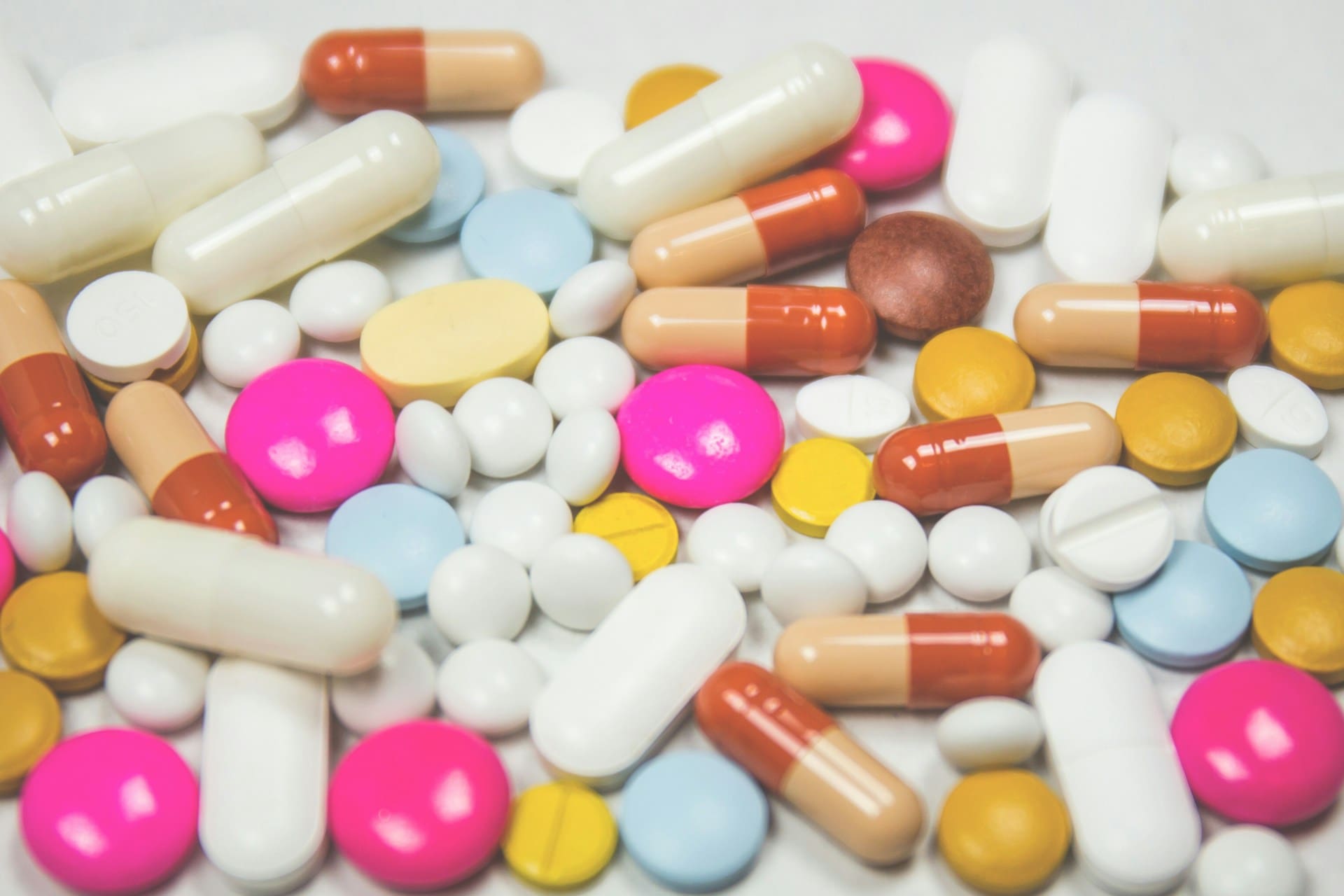
The FDA’s definition is broad. If your product is meant to “supplement the diet,” and contains any of these:
- Vitamins
- Minerals
- Herbs or botanicals
- Amino acids
- Enzymes
- Probiotics
- Concentrates or extracts
…it’s officially a dietary supplement. Capsules, tablets, powders, softgels, liquids—it doesn’t matter. You’re on FDA’s watch list from the second your shipment hits a U.S. port.
Translation: FDA oversight starts before your products ever hit the shelves.
Why FDA Clearance Is Non-Negotiable
Dietary supplements are treated differently than general merchandise. When your shipment hits U.S. soil, both Customs and Border Protection (CBP) and the FDA review your paperwork and product details.
Here’s the damage if you get it wrong:
- DWPE (Detention Without Physical Examination): You’ll be stuck in limbo while FDA decides your fate.
- Refusal of Entry: Products get bounced back overseas—or destroyed outright.
- Customs Holds: Days turn into weeks. Fees rack up.
- Destruction Costs: You pay to destroy your own goods. Salt in the wound.
- Warning Letters or Fines: Welcome to the federal paper trail.
FDA clearance isn’t bureaucracy for the sake of it. It’s mandatory—and the fines and delays are real.
How the FDA Clearance Process Works for Supplements
1) Electronic Entry Filing: Your customs broker submits entry data to CBP and the FDA through an electronic system.
2) FDA Screening via PREDICT: The FDA’s PREDICT system (Predictive Risk-based Evaluation for Dynamic Import Compliance Targeting) analyzes your shipment for red flags like:
- Product claims
- Ingredient profiles
- Manufacturer reputation and registration history
- Correct product classification under the Harmonized Tariff Schedule (HTS)
3) Release or Hold: FDA decides:
- Release: Your goods clear and move on to your warehouse or Amazon FBA.
- Hold: They want more documents, samples, or inspection.
- Notice of Action: Detention or outright refusal.
If you’re flagged, delays can run weeks or more.
Critical FDA Clearance Requirements
You want smooth sailing? Check these boxes every time:
Facility Registration
Any overseas factory making, packing, or holding your supplements must be FDA-registered. No exceptions. Renew every two years.
Labeling Compliance
Your label isn’t just a design—it’s legal compliance. It must include:
- Product name (“Dietary Supplement” statement)
- Net contents
- Supplement Facts panel
- Full ingredient list
- Manufacturer or distributor name/address
Zero unauthorized disease claims. “Cures cancer”? Say goodbye to your shipment.
Prior Notice Filing
Every supplement shipment needs Prior Notice filed with FDA before it arrives. Miss this and you’ll see automatic holds.
Correct HTS Classification
Misclassified products mean scrutiny, delays, and possible fines. Get your tariff codes right. Invest in a broker who knows this game.
Pro Tips from the Trenches
Use seasoned customs brokers. FDA regulations are dense, technical, and constantly evolving. Trying to navigate them without professional help is like walking a legal tightrope blindfolded. A seasoned customs broker not only understands the ins and outs of FDA entry procedures but also knows how to avoid common pitfalls. This can save you time, money, and major headaches. They ensure your documentation is complete, your classifications are accurate, and your shipment stays out of regulatory limbo.
Steer clear of wild health claims. The FDA is extremely strict when it comes to unverified or misleading product claims. Phrases like “cures cancer,” “prevents COVID,” or “reverses Alzheimer’s” raise immediate red flags, trigger shipment holds, and may lead to product seizure or enforcement action. Even if you believe in your product’s benefits, your labels and marketing materials must stay within FDA-approved language. Following the rules here protects your business from unnecessary risk.
Keep documentation ready. Every shipment should be backed by a complete and well-organized documentation package. This includes Certificates of Analysis (COAs), full formulation data, manufacturer registration information, and your Prior Notice filings. FDA inspectors can request any of these documents at any time. If you cannot provide them quickly, your shipment will be delayed. Treat documentation as a core requirement, not just administrative paperwork.
Build in extra lead time. Even if you follow every regulation correctly, FDA screenings and inspections can still slow down your supply chain. Delays are especially common during high-volume import seasons such as Q4 or before major sales events. Planning only for best-case timelines is risky. Instead, include buffer time in your logistics schedule to account for potential holds, reviews, or secondary inspections. This helps you avoid stockouts and last-minute scrambles.
Partner with logistics providers who know FDA compliance. Not every 3PL or freight forwarder understands the unique requirements for dietary supplements. You need logistics partners who are fluent in FDA compliance. These professionals understand registration procedures, documentation protocols, and labeling requirements, and they can proactively guide you through the entire import process. As your business grows, this type of partnership becomes essential for avoiding regulatory bottlenecks.
How MyFBAPrep Keeps You Compliant and Moving
FDA compliance is a beast. You don’t have to fight it alone.
At MyFBAPrep, we run point on supplement imports every day. Here’s what we bring to the table:
- FDA-compliant prep, packaging, and labeling
- Support with Prior Notice and documentation
- A nationwide network of FDA-registered 3PLs
- Logistics partners who speak “FDA” fluently
- Seamless inventory routing to Amazon FBA, DTC, retail—you name it
We don’t just move boxes. We keep your brand safe.
The Bottom Line
The U.S. supplement market is massive—but so is the regulatory risk if you wing it. One compliance slip can bury your margins in delays, fines, or worse—seized goods.
Stay sharp. Know the rules. Work with partners who live and breathe FDA requirements. That’s how you protect your brand—and keep scaling.
Need help importing supplements for FBA or DTC? Let MyFBAPrep handle the red tape so you can focus on what matters: selling and growing. Get in touch today.