How to Choose a Third-Party Logistics Provider: 3PL Questions, Criteria, and Key Factors
Order fulfillment is an integral part of every eCommerce business. Even if you nail buyer acquisition and have an A+ marketing system in place, you won’t retain customers with late deliveries or damaged goods. It’s also an important consideration for buyers. They judge companies based on the speed, cost, efficiency, and trustworthiness of their shipping and return options — and they have high expectations. So much so that over 90% of shoppers expect their items in less than a week. Moreover, 53% of shoppers have canceled an order when they found shipping to be too slow, and 54% due to expensive fulfillment.
Needless to say, your fulfillment process is a huge deal and will play a critical role in your brand’s long-term results.
However, fulfillment has many moving parts, including receiving, processing, delivering, and more, all within a strict time frame (a “five to seven business days” delivery won’t cut it anymore). And not everyone has the time to pick, pack, and ship out orders themselves, especially in a growing business. Likewise, not everyone can afford to buy a warehouse, hire and train a fulfillment team, and get trucks on the road.
In this article, we’ll take a look at how outsourcing fulfillment to a third-party logistics provider (3PL) can help keep your business running smoothly, all while saving you time, money, and customers. We also highlight the best questions to ask when looking for fulfillment services to ensure you find the right fit.
The real reasons why brands struggle to find their fulfillment match
Picking the right fulfillment partner is a long process, but there are some common mistakes businesses make that can prolong and increase your costs.
Rushing the process
It can be tempting to sign up for the first deal you see with little research to back up your decision. But “slow and steady wins the race” when searching for fulfillment services. Ideally, the fulfillment partner you choose will be with you for the long haul, so you should take your time.
It’s a worthwhile investment to assess your options diligently before committing. Set aside time in your schedule to give the search your full attention and thoroughly evaluate your options.
Not knowing what to look for
No matter how many years they’ve operated or awards they’ve won, no fulfillment service is perfect and offers everything.
Every business is unique, which means the services and turnaround times you need from your fulfillment partner will be unique as well.
It’s vital you know what the green and red flags are when searching for a partner. This approach will up your odds of finding your ideal match. Consider your budget, products, trading territories, services required, and the desired fulfillment experience before searching.
Tip: While it’s important to find a service that provides good value for money, if a deal sounds like it’s too good to be true, it probably is.
Having unrealistic expectations
It’s critical to enter the search with a clear understanding of what services are reasonable to ask for from a fulfillment provider.
For example, if you value ownership, you can ask for more insight into the warehouse processes. A fulfillment partner should be happy to take you on a warehouse tour to see how your inventory will be handled, and most should have a warehouse management system that provides real-time visibility into where your inventory is at all times.
However, you cannot hire your own warehouse manager and expect a 3PL to put them in charge of their entire warehouse.
What happens when you have bad fulfillment processes?
1) You lose customers
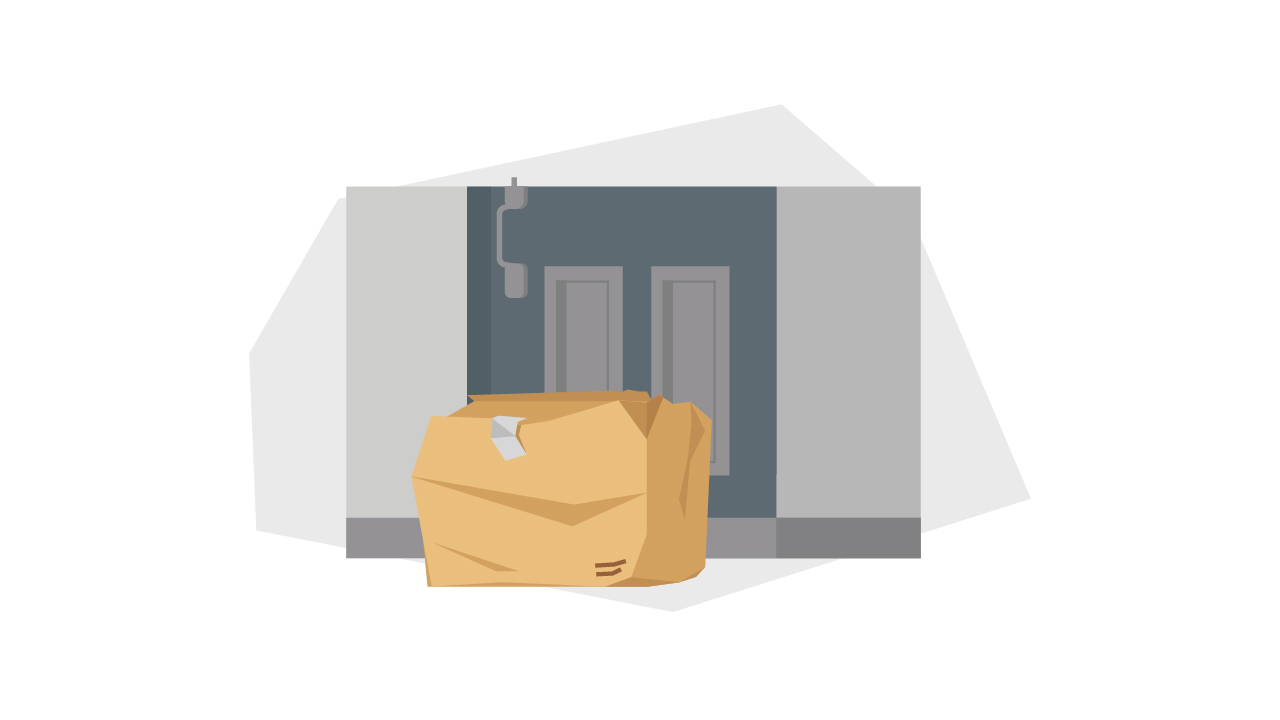
When you can’t deliver items on time, or in good condition, you lose out on repeat customers. 84% of consumers won’t shop with a brand again following a poor delivery experience. This affects your revenue, because retaining a customer is five times cheaper than acquiring a new one.
2) You lose money
A great buyer experience from discovery to delivery is better for your bottom line. Not only will you see higher retention and more referrals from happy customers, but you’ll also save money on all the returns, complaints, and penalties that come from poor fulfillment.
3) You lose time
If you deliver the wrong item, a damaged item, or a late item, consequences inevitably follow, specifically:
- Your customer support team has to dedicate their time and resources to handle the blowback.
- You need to spend time figuring out what went wrong and how to placate your customer.
- You have to spend time fixing the mistake, including back-and-forth emails and finding and shipping a replacement.
All that time doing damage control can be saved by avoiding fulfillment issues from the start.
4) You lose sales channels
Marketplaces can suspend sellers for being late too frequently — that’s how big an impact delivery has on the customer experience. Marketplaces like Amazon, Walmart.com, Wish and eBay all have delivery service-level agreements (SLAs) that state merchants must have items shipped and sent within a certain amount of time from when an order is placed.
If you don’t act quickly and set up an efficient fulfillment process, you risk losing out on multiple sales channels.
5) You lose your reputation
Did you know that a negative review can deter 86% of potential customers? A single negative review can drive away 22% of shoppers, and three deter more than half of would-be buyers.
If you miss your delivery date, send the wrong item, or deliver a damaged or improperly packed item, your reputation could suffer — and your bottom line.
How to ensure on-time delivery and proper item prep
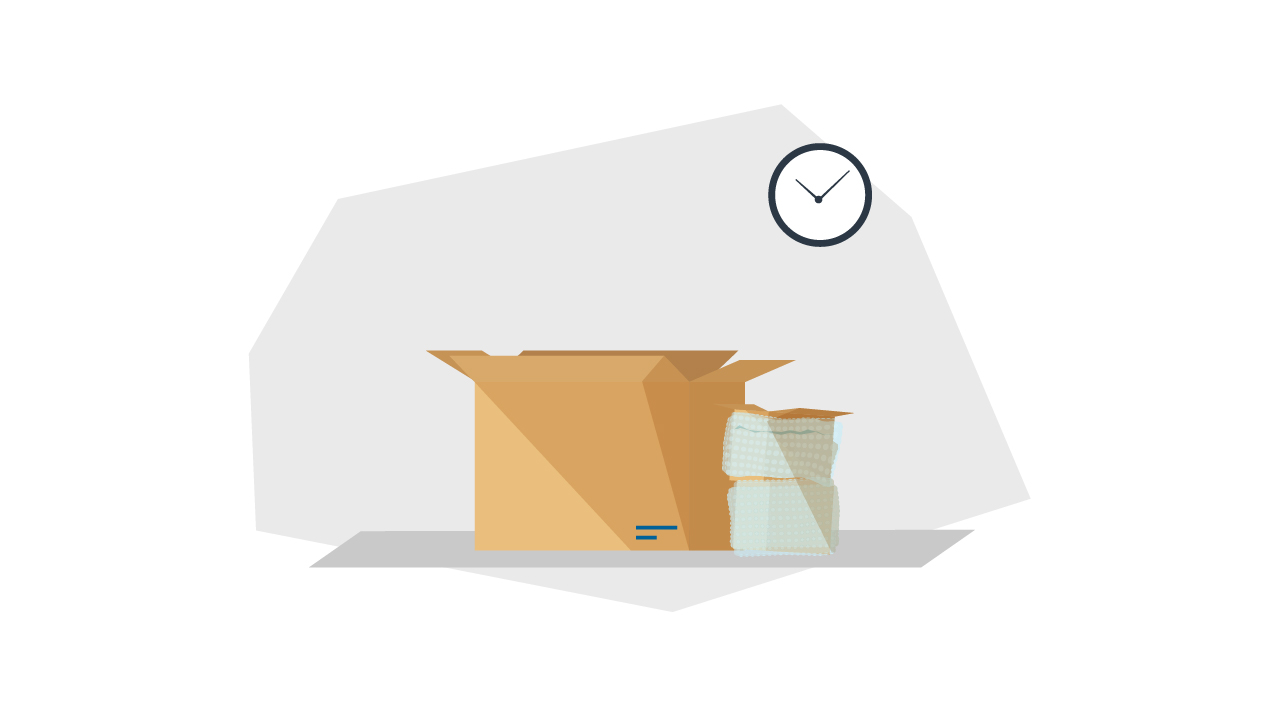
You can avoid negative reviews, a seller suspension, and losing out on money and customers by mastering your fulfillment process. This should include:
- Proper packaging so your items don’t get damaged.
- Correct prep work so channels like FBA accept items into their networks.
- Accurate labeling so items don’t get mixed up or confused.
- An efficient handling process so you hit marketplace on-time shipping SLAs and get items out the door as quickly as possible.
- Reliable on-time delivery to delight your customers.
If this sounds overwhelming, you can seek outside help. Let’s talk about how to outsource your entire fulfillment process to a third-party fulfillment provider.
What is third-party fulfillment?
Third-party fulfillment is when part or all of a business’ fulfillment processes are outsourced to a specialized fulfillment company. These processes include warehousing, inventory management, picking and packing orders, shipping orders, and managing returns.
Outsourcing these fulfillment processes allows merchants to focus on high-level tasks and leaves the experts to handle the logistics.
4 Benefits of using a third-party fulfillment service
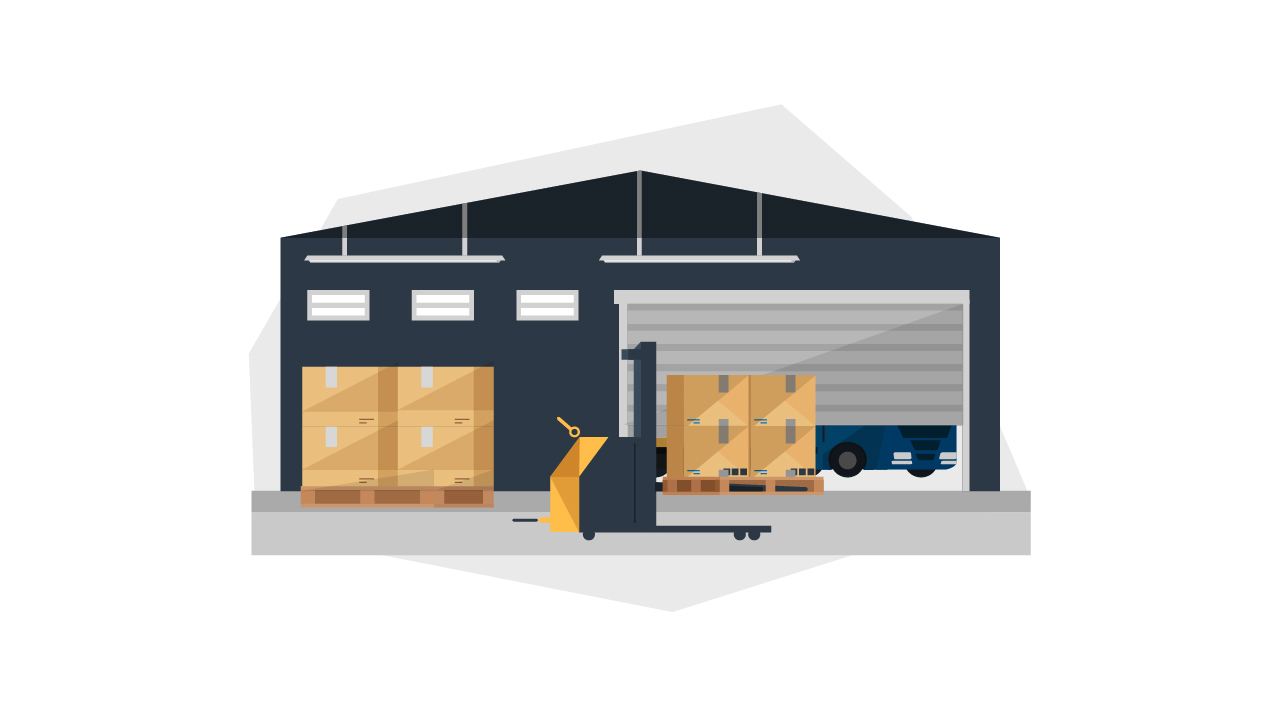
A third-party fulfillment service can stock products in a warehouse, pick and pack orders, and ship items right to your customer’s doorstep. They have their systems down, and can help you avoid human error and late deliveries.
Below are some key benefits of outsourcing to a third-party logistics provider.
1) Distributed warehouses and item locations
It’s important to have access to multiple warehouses and shipping locations across your market. This way, you can disperse your inventory to ensure items are close to your buyers, wherever they live. There are two key benefits from this:
- Items closer to buyers means less travel time, which translates to faster fulfillment, and thus happier customers.
- Items closer to their destination results in cheaper shipping costs, which earns more revenue for your business.
It’s not practical for a single merchant to buy warehouses across the US. When you work with a third-party fulfillment service, you can tap into their warehouse network and only pay for the storage space you need, at the locations you want.
2) Stay lean and save on logistics operating expenses
Having your own warehouses and fulfillment process is costly. You have to pay rent or buy property, hire entire teams to oversee and do the prep and shipping work, buy trucks to get items out, and purchase equipment to make sure it all runs quickly and efficiently.
You don’t need to take on those huge expenses. Here are a few ways you can save on operating expenses with a 3PL:
- Eliminate or reduce the cost of leasing a warehouse or storage unit.
- Reduce labor costs and taxes associated with order fulfillment.
- Lower packing material costs, since a fulfillment service may have a better price.
- Pack and ship quickly, allowing for more economical shipping services.
- Cut shipping costs because of volume and warehouse location.
3) Focus on growth, not boxes
Employing a third-party fulfillment service may also let you focus on other areas of your business. A third-party fulfillment provider saves you time, money, and energy, which you can instead devote to expanding your product line, growing sales, and lowering customer acquisition costs.
4) Utilize their strategic partnerships
Many 3PLs have existing partnerships with carriers, suppliers, manufacturers, and other key players in fulfillment. They enjoy perks like bulk discounts on boxes and special carrier rates, which they can pass down to you.
6 Key factors to look for in a third-party logistics provider

If you’re ready to take on a third-party logistics provider, here are some things to consider before making your decision.
1. Do they have the capacity you need?
Look at where your business is, where you want it to be, and how quickly you’re growing. You need a fulfillment partner who can handle your current and future capacity, with the ability to support your growth as you scale.
Are you adding new SKUs, expanding to new categories, and exploring new sales channels? Or do you plan to stay lean and operate your business at more or less the same capacity as it is now? Knowing your business direction can help you choose a 3PL that’s the right size for you.
2. Can they meet your shipping requirements?
Today’s most successful eCommerce companies aim to offer products that are “direct to everywhere.” That means selling everywhere your customers shop, meeting the shipping requirements of multiple sales channels, and being able to deliver nationwide.
Can a 3PL meet the delivery speeds your customers want? Do they deliver nationwide? Can they bundle your items when you have a special sale, or label items according to marketplace standards? Look at what you need in terms of shipping speed and locations, and select a 3PL partner that does it all.
3. What is their pricing structure?
There are many 3PLs that have complex pricing models and hidden fees, so you risk not knowing how much fulfillment actually costs until you get the final bill. This is risky and doesn’t allow you to predict revenue and budget appropriately.
To combat this, look for a 3PL with clear and transparent pricing, and ask about additional charges for things like work orders, inspection, receiving, and other commonly overlooked fees.
4. Where are their warehouses?
Having a distributed warehouse network helps you fulfill quickly, affordably, and on time. Ask where their warehouse locations are so you can gauge how well a 3PL can serve your customer base.
Identify the cities and states where the majority of your orders originate. Look for a partner who has locations in these areas, with additional locations to ensure nationwide coverage.
5. Do they have the expertise you need?
Each business, product, and SKU has different needs. Before working with a 3PL, you need to understand whether their expertise can accommodate your unique products.
For example, when we work with clients for carton forwarding, we match them with our largest warehouses, because they need space and storage.
However, when we work with enterprise brands for item-level FBA prep, we ensure that their warehouses understand exactly how to prep their catalog for FBA so that it’s conditioned correctly, everything is in place, and goes into FBA without a hitch.
6. How do they manage your data and information?
Data management is crucial because you need real-time insight into your inventory and fulfillment. Your fulfillment partner should provide a dashboard of reports you can monitor. Ideally, they’ll also have a dedicated system that combines data from your 3PL with your sales channels, manufacturers, and warehouses.
10 Questions to ask before you select a fulfillment partner
1. What processes do we need to outsource?
Assess your fulfillment obligations, including prep and pack, warehousing, and shipping. Remember to add the tasks that aren’t mission-critical but either take up too much of your team’s time or are simply tedious and unenjoyable.
Action points:
- List the fulfillment tasks you need.
- Consider tasks you may want to outsource in the future.
- Assess the fulfillment options your competitors offer to gain an idea of what you’re up against.
2. What are our fulfillment needs?
Even if a company sells identical products, its fulfillment needs can differ greatly depending on things like internal processes, capacity, and budget.
Be specific about what characteristics and assets you want in a fulfillment service. You could look at:
- Experience
- Pricing
- Transparency in processes
- Setup offered (e.g., flexible or fixed logistics)
- Order volume capacity
- Storage capacity
- A variety of services offered
Take note of any storage, packing, and transportation requirements. Also, acknowledge your current customer shipping expectations (e.g., two-day shipping and free, paperless returns). If you aim to target new markets, research shipping options and expectations in those regions.
Action points:
- Understand your customers’ shipping wants and needs.
- Pinpoint essential characteristics your fulfillment provider must accommodate.
- Research your target customer’s shipping expectations in territories where you aim to sell.
- Ask if the provider can inventory-related initiatives like back orders, presales, and subscriptions.
3. What’s our budget?
To receive realistic quotes, it’s vital you establish a healthy budget that reflects the fulfillment services you need. If you have a small budget, it’s okay to start small. It may mean outsourcing only a few tasks until you have more capital to work with and add as you go.
It’s important to know upfront the costs of fulfillment services and materials like dunnage, shipping boxes, and custom packaging for your order volume and shipping requirements. The offer should then go into a service-level agreement (SLA).
Action points:
- Shop around to gain an idea of the typical starting price for the services you need and the type of fulfillment provider you want to work with.
- Create a shortlist of potential providers based on who can provide the best value for the money.
- Gather quotes from your shortlisted fulfillment service providers.
4. What information do we need from the fulfillment providers to make an informed decision?
While you can uncover certain things on your own, like reviews and testimonials, you’ll need to request other information directly from the fulfillment provider (although some details may be proprietary).
This can include performance data (e.g., on-time shipment rate, error rate, and inventory damage), closed case studies from businesses in your niche, insurance documents, and samples of standard operating procedures they use for items like yours.
Action points:
- Know what data you need, using your internal processes, executive team’s requests, and past experiences as a guide.
- Request the information you need from Sales, Customer Support, or Management.
5. What tech integrations do we need?
From CRMs and inventory management software to sales and social media channels, every business has the essential tech tools they need to operate. Before you sign on the dotted line, learn whether the fulfillment provider can accommodate your preferred stack.
Action points:
- List the software you wish to integrate.
- Inquire whether the fulfillment provider accepts these tools for integration.
- Ask how much data you can export from existing tools.
- Understand the downtime involved in integrations.
- Ask whether it’s possible to integrate tools not on their current integrations list, how much it’ll cost to execute, and how long it’ll take.
6. What shipping services are must-haves?
Efficient and affordable transportation of goods from manufacturers to warehouses and then to customers is critical. So, enquire about the provider’s logistical capabilities to ensure they match your needs.
For example, if you sell in multiple territories, ask if they have access to a freight network and contracts with various reputable carriers to act as first-, second-, and third-line options.
Action points:
- Understand your average inventory turnover rates.
- Know the average time it takes to ship goods using your chosen transportation method (e.g., by rail and road).
- Ask the fulfillment service about the shipping types they offer and their costs.
7. Is the fulfillment provider tech-driven?
From AI product sorting to live inventory tracking, digital transformation is sweeping the fulfillment industry. A company that’s serious about driving efficiency, speed, and productivity for its customers should be invested in technology. This could be analytics to track inventory levels, bots to handle boxing, and more. Continuous improvement should be an ongoing priority of theirs.
Action points:
- Find out what tech stack the fulfillment service uses.
- Enquire which services are executed manually and why.
- Ask about pending technological improvements and when they’ll go into effect.
8. What security measures are in place to protect our inventory?
Counterfeiting, theft, tampering, and tech malfunctions pose huge risks to your business. Your fulfillment provider must have robust security systems to keep your inventory safe, no matter where it is in their ecosystem.
Action points:
- Ask whether the fulfillment provider has 24/7 security and if so, how robust it is (e.g. how many guards oversee the facility and do they have quality video surveillance and alarm systems).
- Find out if they have temperature and fire control systems in place.
- Investigate how many security issues they’ve had in the past year and how they resolved them.
9. What are the service level agreements you must adhere to?
Each sales channel has its own service level agreements (SLAs). This helps to protect the buyer experience by ensuring items are delivered on time, accurately, and reliably.
You want to find a good logistics partner that matches where your supply comes from and where your consumers live.
For example, if you’re based in Florida but your shipments come into California, look for a partner that has a California warehouse so you don’t have to truck items all the way across the country before you start prep. Likewise, if many of your customers live on the East Coast, you’ll want a partner that can store inventory nearby for fast deliveries.
Action points:
- Ask about a fulfillment provider’s service level agreements when it comes to turnaround time and delivery reliability.
- Find out what holidays they take that might interrupt regular delivery hours.
- Enquire about their delivery rates for other merchants and how they meet SLAs on different sales channels.
- Learn if there’s a communication channel in place for emergency support.
10. Can a provider support international expansion?
As brands look to scale and expand their businesses, cross-border selling is quickly becoming a must.
Many brands are eager to reduce risk through territorial diversification, accelerate sales, and increase brand notoriety. So, look for a provider that can help you execute cross-border strategies affordably and efficiently.
For example, at MyFBAPrep, we have a warehouse network of over 50 warehouses and partnerships with some of the world’s most trusted freight and logistics companies like SEKO.
Action points:
- Ask what cross-border services the fulfillment provider offers.
- Find out how much it costs to ship goods to the countries you receive the most orders from.
- Determine pricing and timelines for shipping by region and item size/height.
Remember: The right partner is worth the effort
Finding a fulfillment partner that’s the right fit for your brand can be a research-intensive process that requires significant time and resources. But when you’re armed with precise information, you can sidestep mistakes to identify your ideal match faster.
Create a partnership framework with our questions, approach potential providers, and set up tests to verify assumptions or dispel any concerns. With a reliable fulfillment provider, you’ll have optimized shipping solutions at your disposal, and your customers, staff, and bank account will thank you for it.
A Quick Checklist to Vet Your Fulfillment Partner
- Run a Test Order – From inventory receiving to customer unboxing.
- Request References – Not just case studies — real brand founders.
- Audit their SOPs – How do they handle returns? What’s the escalation process?
- Demand Full Pricing Transparency – Watch for hidden fees.
- Evaluate Communication Cadence – Dedicated AM? Slack/WhatsApp? Off-hours response time?
Read: Best Fulfillment Companies: The Best 3PLs and 4PLs for eCommerce and Retail Brands
Final Recommendation: Match Partner to Brand Stage
| Brand Stage | Recommended Fulfillment Strategy |
| 0–5K orders/month | Fast setup, low complexity – Out-of-the-box services |
| 5K–50K/month | Multi-service support, scalable ops – Customizable services |
| 50K+/month or Retail-Heavy | Custom flows, freight coordination, B2B/Retail SOPs – Enterprise solutions |
Wrapping up – What to consider when choosing a 3PL
Look for a partner that offers dedicated customer support, quick service, access to a proprietary portal, and a professional warehouse network.
As far as logistics are concerned, it’s best to work with a 3PL partner to meet your business goals. However, you have to factor in your business direction, shipping requirements, pricing, warehouse, as well as data and information when making your decision.
Published: May 18, 2021
Updated: March 17, 2026